Exploring Categories of Nutritional Support

An informational overview of six broad categories of dietary supplementation frequently discussed in the context of general male well-being. No products are sold or promoted on this page.

Six Informational Categories

The categories presented here represent broad conceptual groupings from the nutritional supplement landscape. Each is described in general educational terms only. This site does not sell, recommend, or endorse any specific product within these categories.

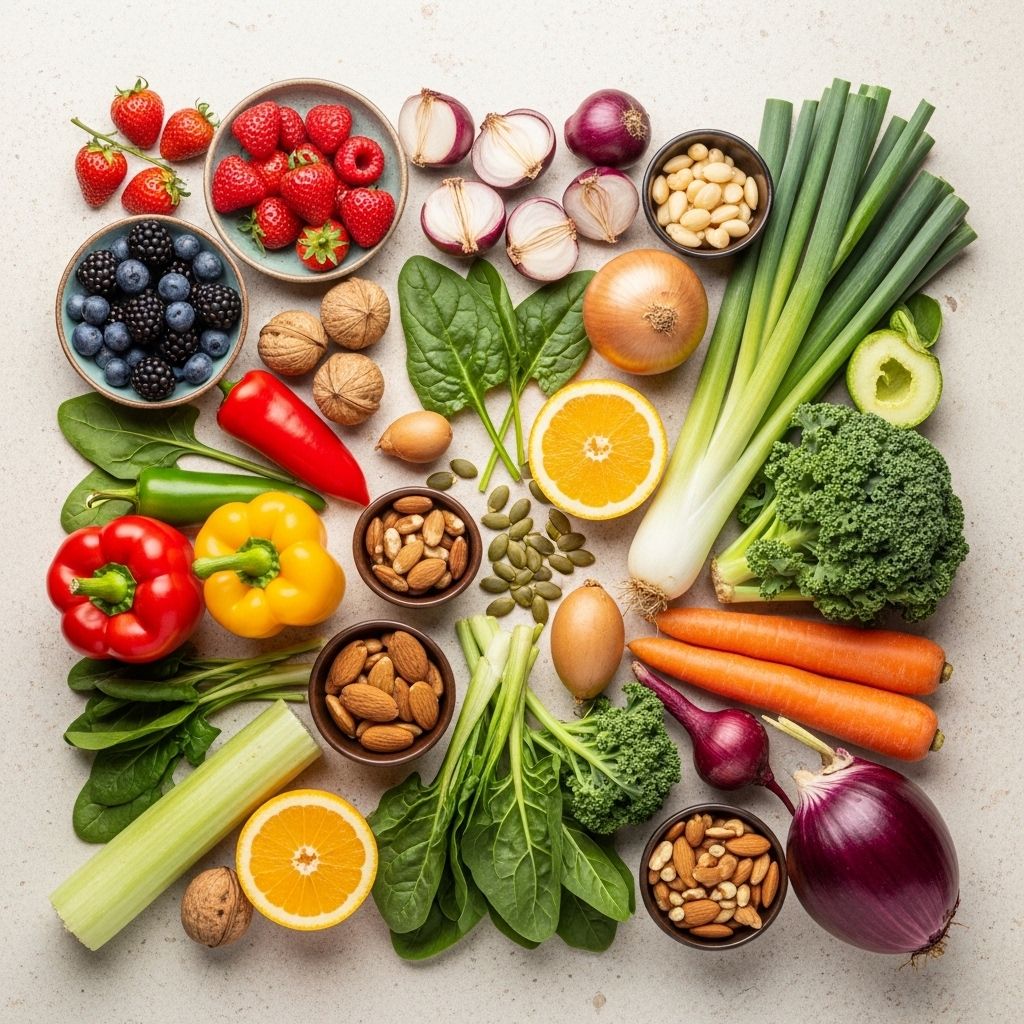
Variety of fresh colourful vegetables, fruits, seeds and nuts arranged on a pale stone surface, natural overhead lighting showing vibrant reds, oranges and greens of whole foods including peppers, berries and leafy greens
Category 01

General Multivitamin Complexes

Multivitamin formulations are among the most widely used dietary supplements globally. A general multivitamin typically contains a broad spectrum of essential vitamins and minerals at or near their dietary reference values, intended to complement — not replace — a balanced diet.

  • Supporting general micronutrient sufficiency in the context of varied dietary patterns and potential gaps in daily food intake.
  • Providing a comprehensive reference point for understanding the range of vitamins and minerals considered nutritionally essential for general physiological function.
  • Serving as a commonly discussed starting point in nutritional education for individuals seeking a broad overview of essential dietary micronutrients.

Learn More
Collection of dried botanical herbs and roots including woody bark pieces, dried berries and aromatic plant materials arranged on a dark slate surface, warm directed side lighting creating dramatic texture contrasts
Category 02

Botanical Adaptogens

Adaptogens represent a category of plant-derived compounds historically discussed in traditional medicine contexts — particularly Ayurvedic and traditional East Asian practices — for their association with general vitality and resilience. In nutritional literature, they are examined as a class of botanicals with broad educational relevance.

  • Providing context for understanding how botanical compounds have been incorporated into traditional wellness practices across diverse cultures throughout history.
  • Illustrating the breadth of plant-based ingredients studied in the context of general well-being and their diverse botanical origins and phytochemical profiles.
  • Contributing to a general understanding of how traditional plant knowledge intersects with contemporary nutritional science and ingredient classification.
Learn More
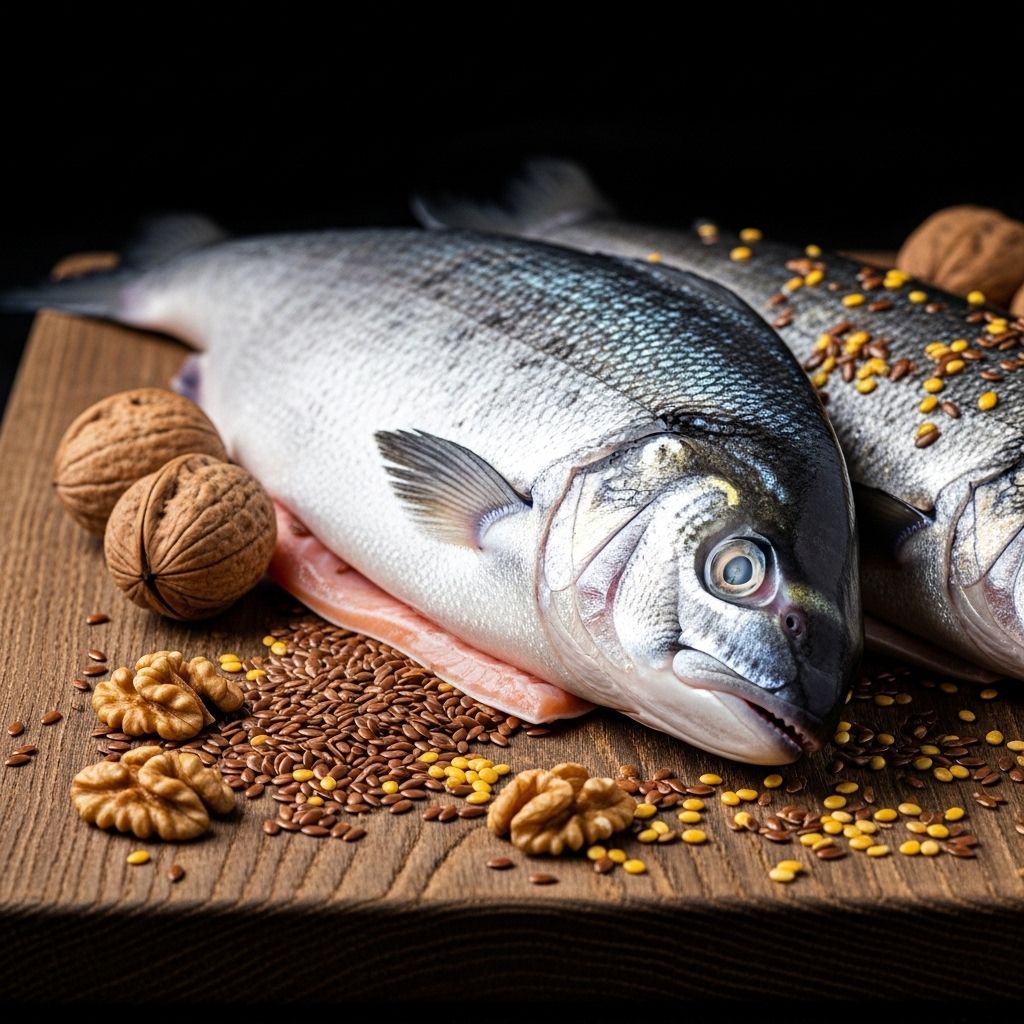
Fresh whole fish including salmon with visible pink flesh, scattered flaxseeds and walnuts on a dark textured wooden board, natural side lighting highlighting the sheen of the fish and the warm golden tones of the seeds
Category 03

Omega Fatty Acids

Omega fatty acids — particularly omega-3 polyunsaturated fatty acids (PUFAs) — are essential dietary fats that the body cannot synthesise independently. Found naturally in oily fish, flaxseeds, chia seeds, and walnuts, they are among the most extensively studied dietary components in nutritional science.

  • Representing an essential macronutrient category that highlights the role of dietary fat quality in overall nutritional balance, relevant to general educational discussions of healthy eating.
  • Illustrating the distinction between essential and non-essential fatty acids, and the significance of dietary sources in obtaining compounds the body cannot produce independently.
  • Providing a widely referenced example of a dietary component whose general physiological relevance spans multiple systems, as documented in nutritional biochemistry literature.
Learn More
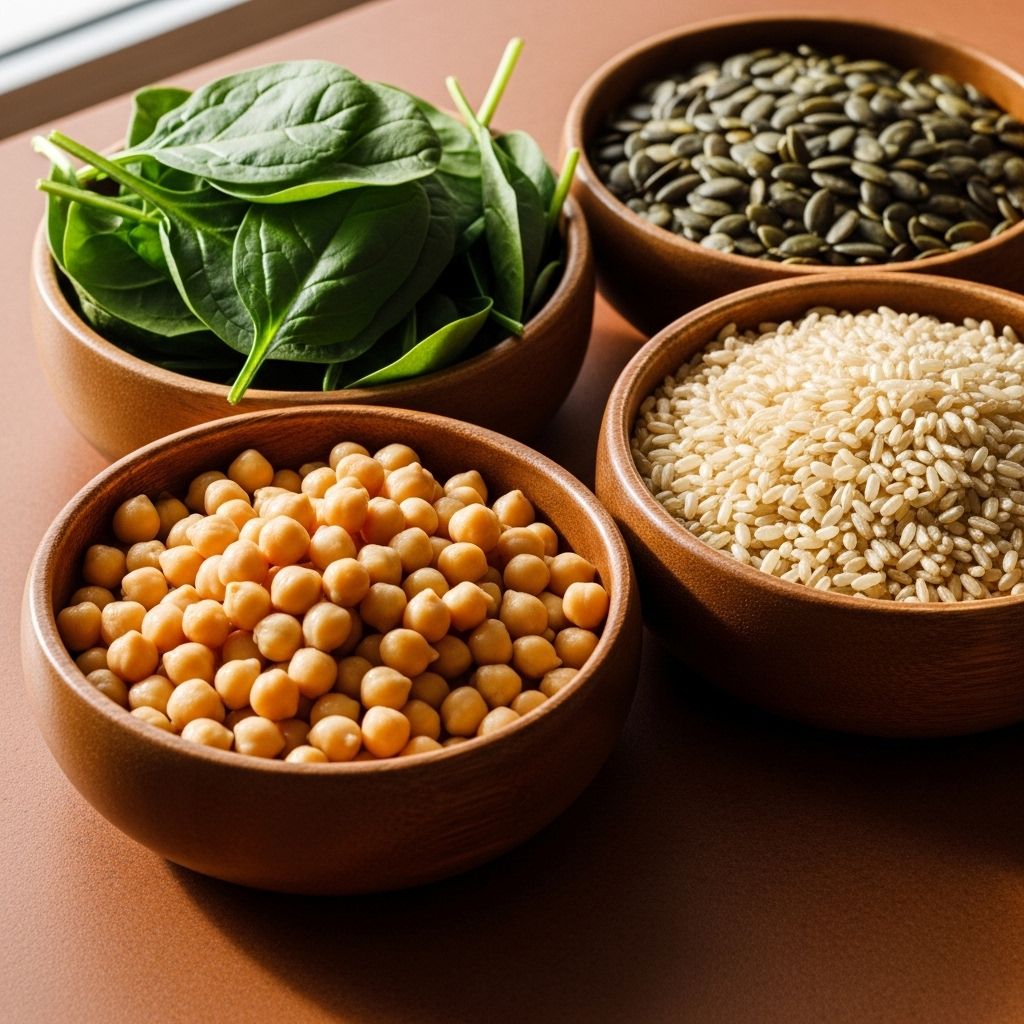
Arrangement of mineral-rich foods including dark leafy spinach, pumpkin seeds, chickpeas and brown rice in separate wooden bowls on a warm terracotta-toned table surface with natural window light
Category 04

Targeted Mineral Formulations

Targeted mineral supplements focus on one or a small selection of specific minerals, often in higher concentrations relative to general multivitamin formulations. Common examples include magnesium, zinc, selenium, and iron formulations. These are discussed in nutritional contexts in relation to specific dietary patterns or age groups.

  • Providing an educational example of how specific dietary mineral shortfalls may arise within particular dietary patterns, geographic contexts, or life stages, as discussed in nutritional population research.
  • Illustrating the concept of bioavailability in mineral nutrition — specifically how the form and source of a mineral compound can influence its absorption and utilisation within the body.
  • Contextualising the distinction between general dietary reference values for minerals and the varied nutritional considerations relevant to specific demographic groups within population health frameworks.
Learn More
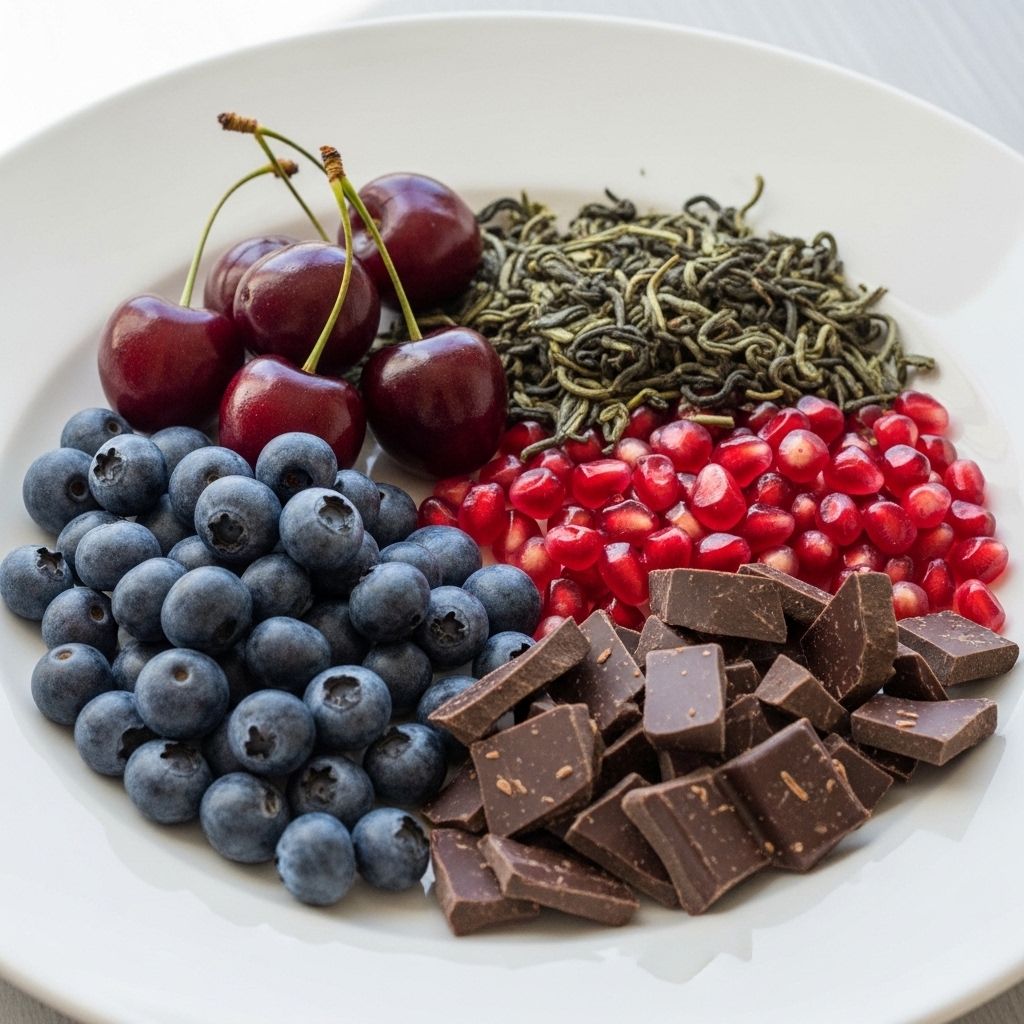
Vibrant assortment of antioxidant-rich foods — fresh blueberries, dark cherries, pomegranate seeds, green tea leaves and dark chocolate pieces arranged on a white ceramic plate with soft natural daylight
Category 05

Antioxidant Complexes

Antioxidant supplement formulations typically combine several compounds with documented electron-donating properties — commonly Vitamins C and E, beta-carotene, coenzyme Q10, and plant polyphenols. These are examined in nutritional science as part of the broader discussion of cellular redox biology.

  • Serving as a key educational category for understanding the concept of oxidative stress and the general role of antioxidant compounds in cellular biology, as described in biochemistry literature.
  • Illustrating how multiple antioxidant compounds — dietary and endogenous — may function together within biological systems, providing context for understanding nutrient synergy in nutritional science.
  • Providing a practical framework for discussing the wide diversity of plant polyphenols, carotenoids, and other phytonutrients frequently referenced in population-based dietary research.
Learn More
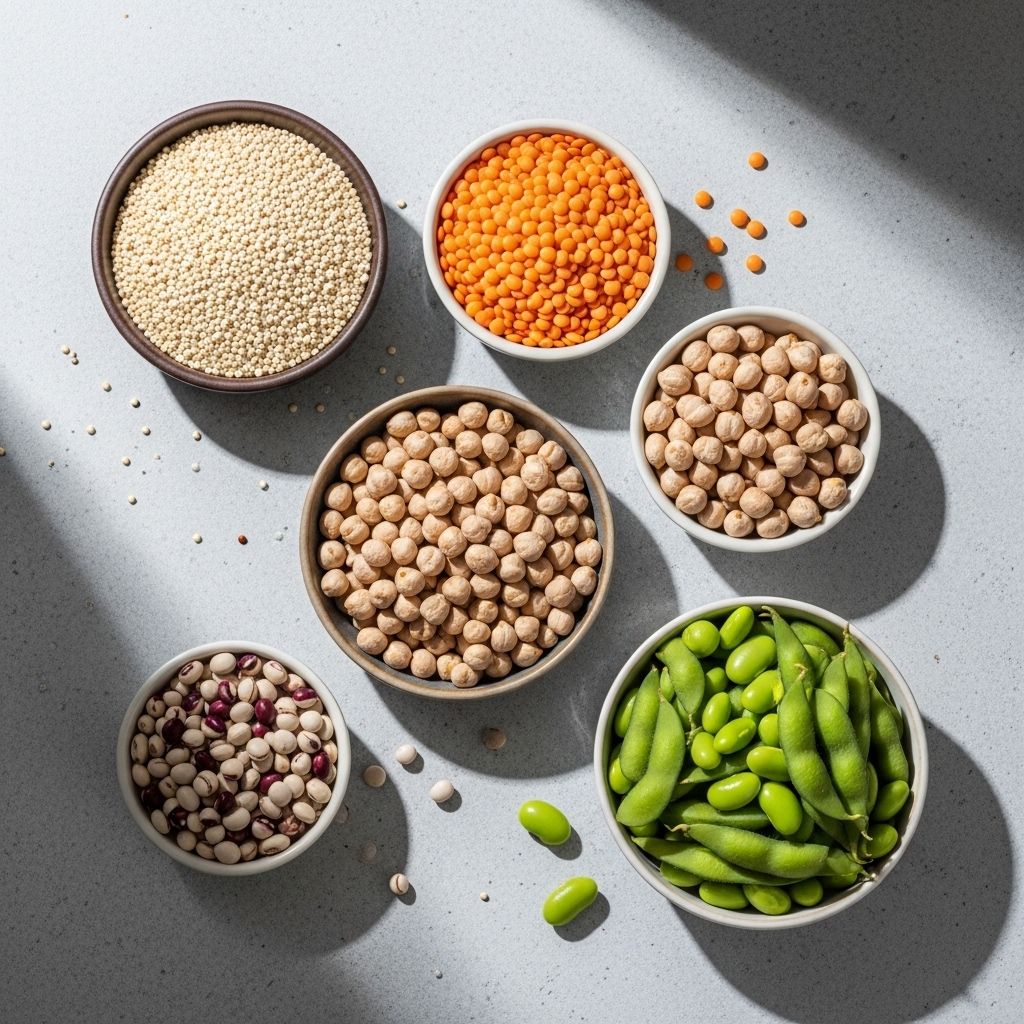
Clean flat lay of quinoa grains, lentils, chickpeas and edamame beans in small ceramic dishes on a light grey concrete surface, soft overhead natural light creating delicate shadows showing the texture and varied earthy tones of the legumes
Category 06

Amino Acid and Protein Support

Amino acids are the building blocks of proteins, which are essential macronutrients involved in virtually every biological process. Protein supplement categories — including whey, plant-based proteins, and individual amino acid formulations — are widely discussed in the context of exercise nutrition and dietary adequacy.

  • Providing educational context for understanding the role of complete versus incomplete proteins, essential amino acids, and the significance of dietary protein quality in general nutritional science.
  • Illustrating how protein requirements may vary across different life stages, physical activity levels, and dietary approaches, as described in established nutritional reference frameworks.
  • Contextualising the concept of amino acid bioavailability and the comparative nutritional profiles of animal-derived and plant-derived protein sources within a general dietary education framework.
Learn More
Information and Context

The categories presented on this page are described for general educational purposes only. This site does not sell, endorse, or promote any specific product within these categories. The information does not constitute medical advice or individual nutritional recommendations. Dietary supplement use should be considered in the context of individual circumstances, and any personal health decisions should be made in consultation with a qualified professional. Nutritional needs vary considerably between individuals. Derilyn does not engage in the sale of products or services of any kind.